
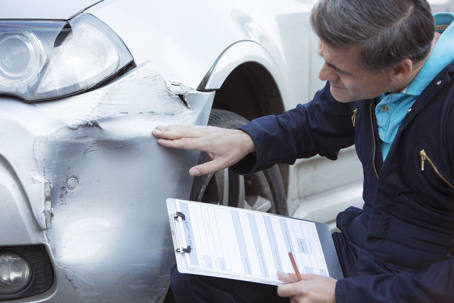
Getting into a car accident is stressful enough on its own. But when it happens in a rental car, things can get even more confusing. Suddenly, you may be dealing with the rental company's insurance, your own auto insurance, and possibly coverage from the credit card you used to book the car — all at the same time. Understanding who pays for what, and when, can make a big difference in how smoothly your claim moves forward.
If you were hurt in a rental car accident and don't know where to turn, don't wait — call us at (803) 599-2207 or reach out through our online contact form for a free consultation today.
Why Rental Car Accidents Are More Complicated
When you rent a car, you're driving a vehicle you don't own. That changes the insurance picture quite a bit. Most people don't realize that several different sources of coverage may apply to the same accident — and figuring out which one kicks in first can take time.
Adding an injury to the mix makes things even harder. You may be dealing with medical bills and missed work while also trying to figure out how to file claims with multiple insurance companies.
The Different Types of Coverage That May Apply
Before diving into the claims process, it helps to know what kinds of coverage are typically involved. Each one works a little differently, and more than one may apply to your situation.
Here are the most common sources of coverage in a rental car accident:
- Your personal auto insurance policy. If you have your own car insurance, it often follows you when you rent a vehicle. Your liability coverage (which pays for damages you cause to others) and your collision or comprehensive coverage may extend to the rental car, too.
- The rental company's insurance. When you rent a car, you're usually offered optional coverage at the counter. This can include a Collision Damage Waiver (CDW), which means the rental company agrees not to hold you responsible for damage to the car in most situations — it is not traditional insurance but works similarly.
- Credit card coverage. Many credit cards offer some form of rental car protection if you use that card to pay for the rental. This is usually secondary coverage, meaning it only pays what your primary insurance doesn't.
- The at-fault driver's insurance. If someone else caused the car accident, their liability insurance may be responsible for your medical bills, lost wages, and other losses.
- MedPay or Personal Injury Protection (PIP). Some auto insurance policies include Medical Payments (MedPay) or Personal Injury Protection coverage, which can help pay for medical costs regardless of who was at fault.
Knowing which of these may apply to your case is the first step. The next step is understanding how they work together — and that's where things can get tricky.
What Happens When Multiple Insurers Are Involved
When more than one insurance policy may cover the same accident, insurers use a system called "coordination of benefits" to decide who pays first. The insurance that pays first is called the primary insurer, and any coverage that kicks in after that is called secondary.
For example, if you have personal auto insurance and also have credit card coverage, your auto insurance would typically be primary. Your credit card benefit would only pay the remaining costs that your auto policy didn't cover. Each insurer may argue that someone else should pay first, which can slow things down and leave you caught in the middle.
Steps to Take After a Rental Car Accident
Knowing what to do right after the accident can protect your health and your ability to recover your losses. Taking the right steps early on also helps preserve the evidence you may need later.
Here are important actions to take following a rental car accident:
- Call 911. Always report the accident to the police, even if it seems minor. A police report creates an official record of what happened and who was involved.
- Seek medical attention right away. Even if you feel okay, some injuries — like whiplash or a concussion — don't show symptoms right away. Getting checked out protects your health and documents your injuries.
- Notify the rental company. Most rental agreements require you to report any accident promptly. Check your rental contract for the specific instructions.
- Document the scene. Take photos of all vehicles, any visible injuries, road conditions, and the surrounding area. Get the contact and insurance information of everyone involved.
- Contact your own auto insurer. Let them know about the accident so they can begin reviewing your coverage.
- Review your credit card benefits. Check with your credit card company to find out if rental car protection is included and what steps you need to take to make a claim.
Taking these steps as soon as possible helps keep your options open and creates a clear record of what happened.
Dealing With the Rental Company After an Accident
Rental car companies have their own claims process, and they can move quickly. After an accident, the rental company may charge you for damage to the vehicle, loss of use (meaning the money they lose while the car is being repaired), and administrative fees. These charges can add up fast.
If you declined the rental company's optional coverage and your personal auto insurance doesn't fully cover the damage, you could be on the hook for a significant bill. This is one reason it's important to understand your coverage before you rent — but if the accident has already happened, knowing your rights now is just as important.
When Someone Else Was at Fault
If another driver caused the car accident, their insurance should be the one covering your losses — not your own. This includes compensation for your medical expenses, lost income if you missed work, pain and suffering, and other damages. However, getting another driver's insurance company to pay fairly is rarely simple. Insurers often look for ways to minimize what they pay out.
South Carolina follows a rule called modified comparative negligence, which means your recovery can be reduced if you're found to be partially at fault. If you're found to be more than 50% at fault, you may not be able to recover anything at all. This makes it especially important to avoid giving recorded statements or accepting settlements before you fully understand your situation.
Why Insurance Companies May Push Back
Insurance companies — whether it's the rental company's insurer, the other driver's insurer, or your own — are businesses. They have financial reasons to pay out as little as possible on any given claim. After a rental car accident, you might face pushback in the form of delayed responses, denied claims, or settlement offers that don't come close to covering your actual losses.
If you've been injured, those losses can be significant. Medical treatment, follow-up care, lost wages, and the impact on your daily life all matter. Accepting a quick, low settlement may close the door on recovering what you truly need to move forward.
Contact a Columbia Personal Injury Attorney at Smith Born Leventis Taylor & Vega, LLC for Help With Your Rental Car Accident
Rental car accidents can leave you managing medical bills, missed work, and phone calls from multiple insurance companies — all at the same time. That's an overwhelming situation, especially when you're trying to heal. The team at Smith Born Leventis Taylor & Vega, LLC is here to help you understand your rights, cut through the confusion, and stand up for you throughout the claims process.
We handle personal injury cases on a contingency fee basis, which means you pay nothing unless we recover compensation for you. If you or a loved one was hurt in a rental car accident, call us today at (803) 599-2207 or fill out our online contact form to schedule a free, no-obligation consultation. You don't have to figure this out on your own.